To view the Journals select “Journals” for the drop-down menu.
HAPPINESS is to have EVERYTHING
you NEED,
NOT the NEED to have EVERYTHING
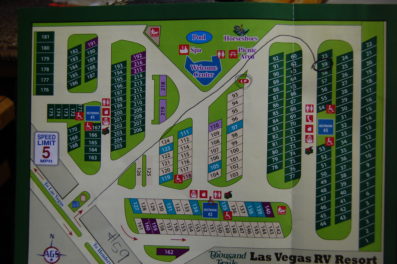
March/April ITENERARY March 3rd Phoenix, AZ overnight (. ) March 4th Cottonwood, AZ at Verde Valley RVP (TT) x14n March 18th Grand Canyon Village at GC Campground for 4 nights March 22nd Las Vegas at Las Vegas TT Campground for 14 nights April 5th St. George, Utah (119m) x13 nights (119m) April 19th Kanab, UT at Crazy Horse RVP (80m)x7 nights (80m) April 26th Salina, UT at RPI RVP(163m) x7 nights (163m) *****************************************
Thousand Trails/Thousand Tales-pjgrernier
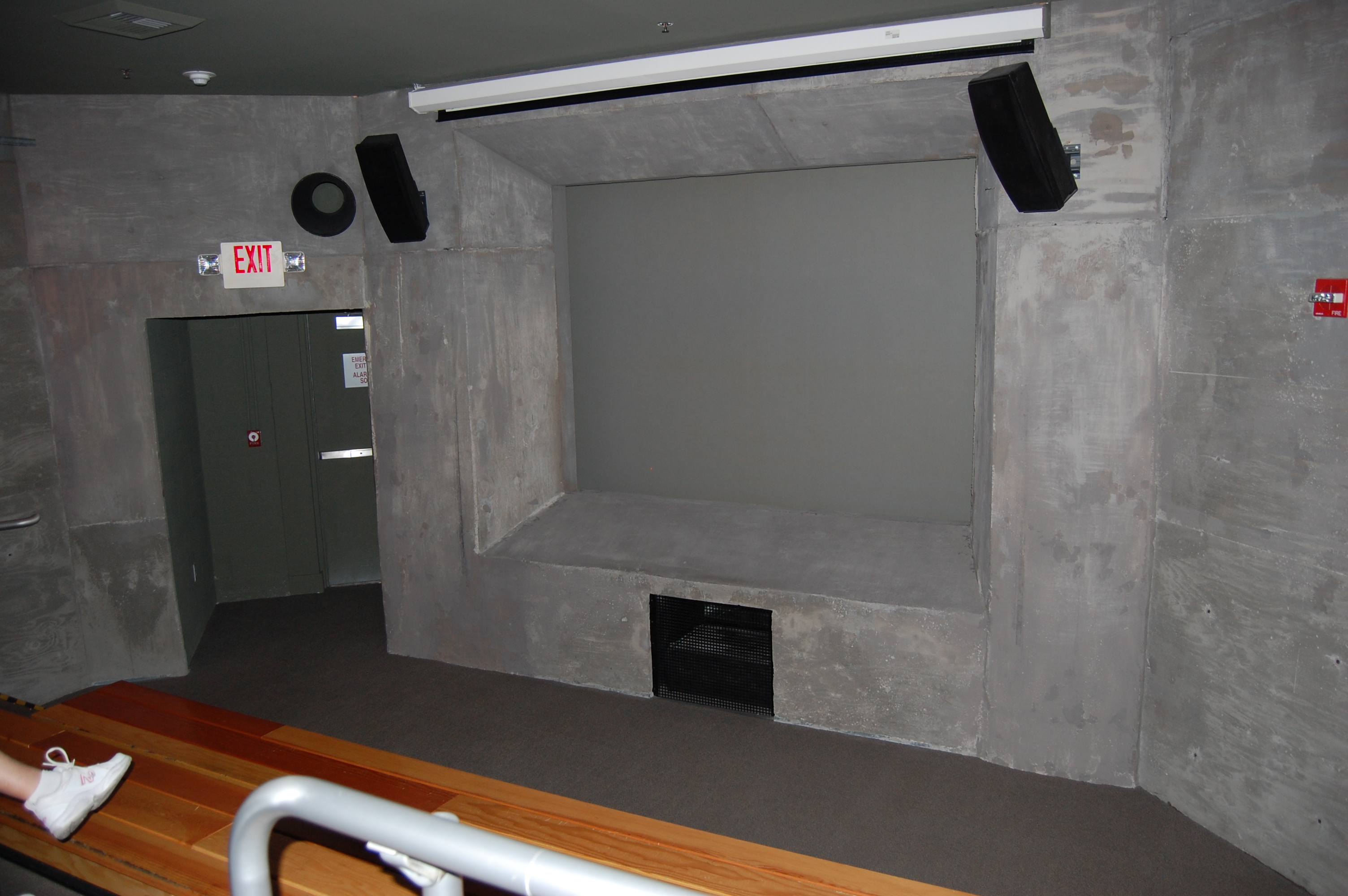
This would be a reproduction of what a bunker would have looked like back in the early Nevada atomic bomb experiments
The bomb experiments would eventually be carried out below ground. I’ve read that a large amount of the fall out from the above ground explosions actually went North to Utah, our next big venue.
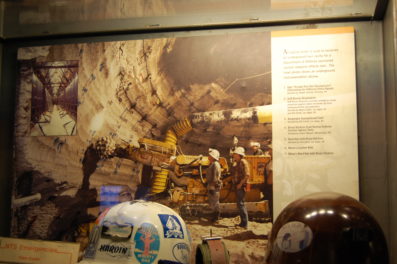
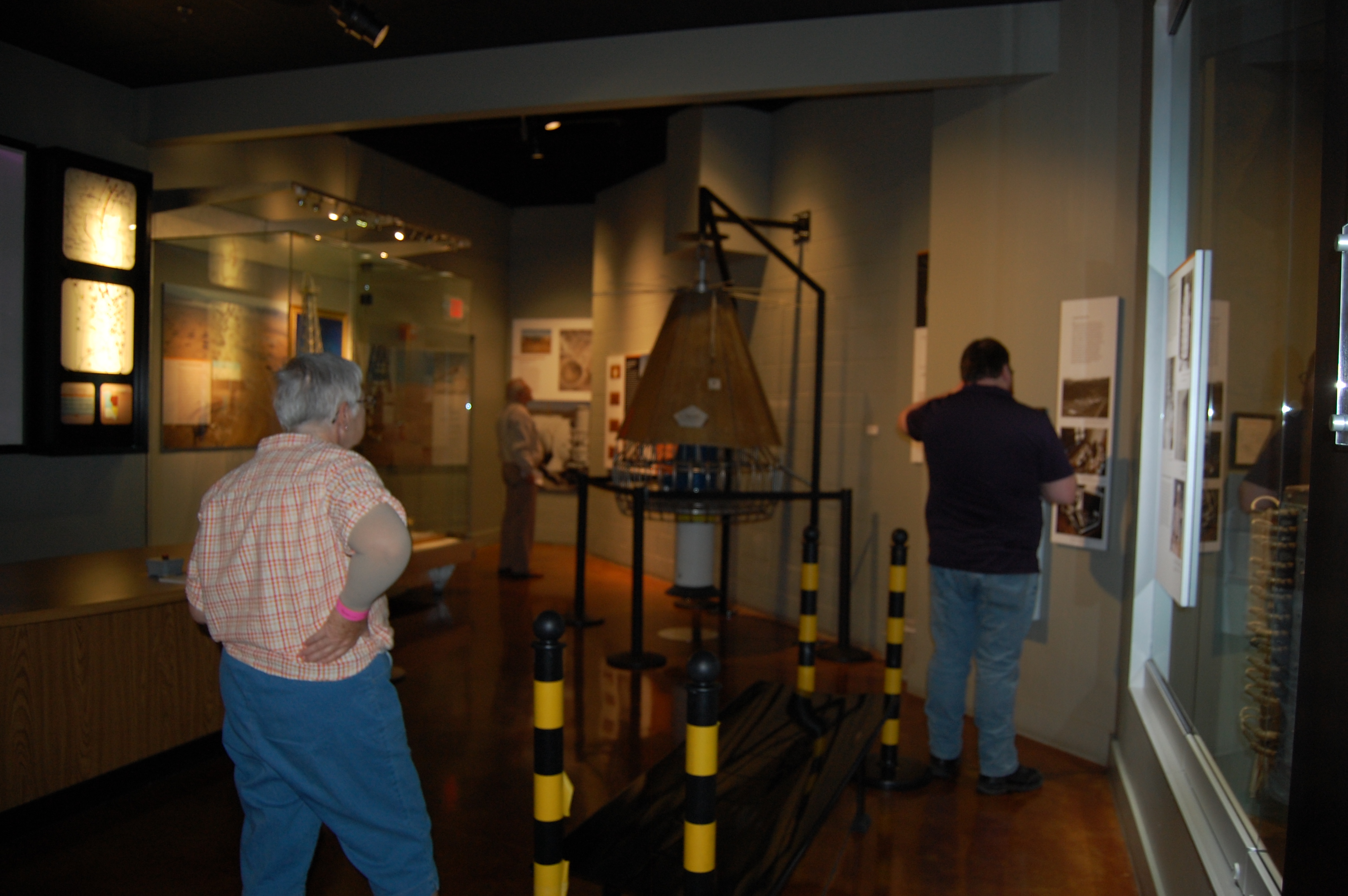
All the display rooms in this museum are fairly small. Not sure if that was on purpose or not. Almost gives a person the feeling of being underground.
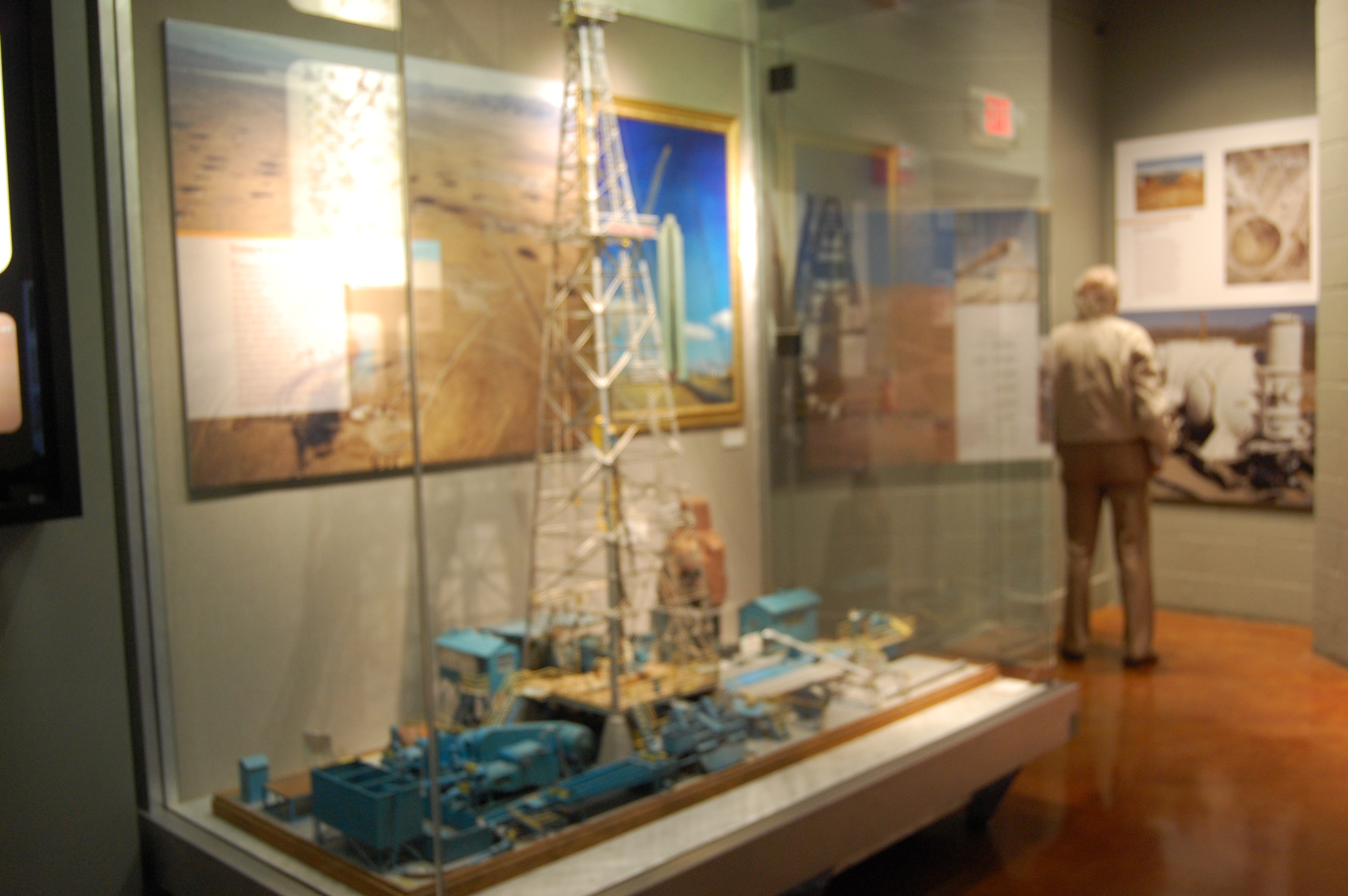
Displays and miniaturization abound everywhere. There’s a great deal of information to digest here. All this reminds me, very much, of the infomercials Dennis and I would have to sit through when we went off to the movies on those Saturday mornings.
Below: This piece of equipment went underground to measure the force of the explosions. Much to much detail for this blog.
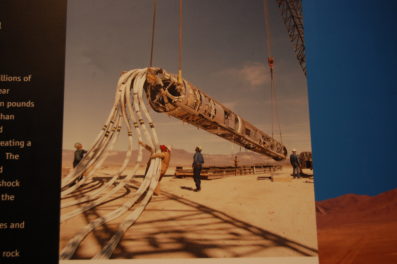
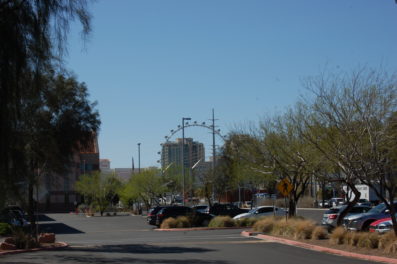
We actually spent a couple of hours at this museum. On our way home we noticed the Eye, located on the strip. I think we and the museum were east of the strip.
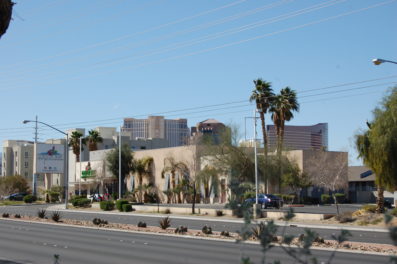
Hotels and Casinos, guess were getting closer to the Las Vegas strip.
Text to follow from Wikipedia:
The museum opened in March 2005 as the “Atomic Testing Museum”, operated by the Nevada Test Site Historical Foundation as a 501(c)(3) non-profit organization. It is located in Las Vegas, Nevada, at 755 E. Flamingo Rd., just north of McCarran International Airport and just east of the Las Vegas Strip. Funding included support from the purchase of commemorative Nevada Test Site license plates issued by the Nevada Department of Motor Vehicles.
On December 31, 2011, President Barack Obama signed a military spending bill which included designating the museum as a national museum affiliated with the Smithsonian Institution. The National Atomic Testing Museum is one of 37 national museums in the U.S.
 B53 nuclear bomb on display

The museum covers the period from the first test at NTS on January 27, 1951, to the present. Among its exhibits covering American nuclear history is a “Ground Zero Theater” which simulates the experience of observing an atmospheric nuclear test.
Other exhibits include Geiger counters, radio badges and radiation testing devices, Native American artifacts from around the test area, pop culture memorabilia related to the atomic age, equipment used in testing the devices. Other displays focus on important figures at the facility, videos and interactive exhibits about radiation.[3]
In 2012 the museum added an exhibit about Area 51, and expanded the exhibit two years later.[4]
Weather monitoring[edit]

The weather station outside of the National Atomic Testing Museum records weather data for downtown Las Vegas. The data include temperature, wind speed and background gamma radiation in microroentgens per hour. The station is part of the Community Environmental Monitoring Network (CEMP).
“Everything we were, we carry with us.
Everything we will be, is calling to us,
from the roads not travelled yet." pjgrenier









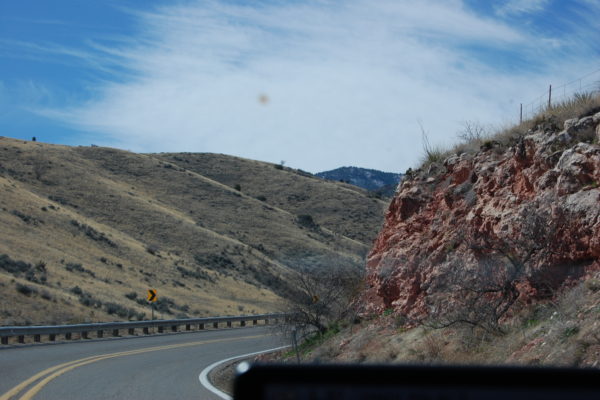
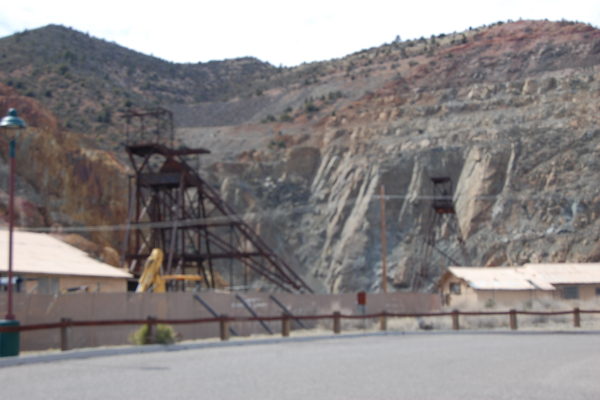
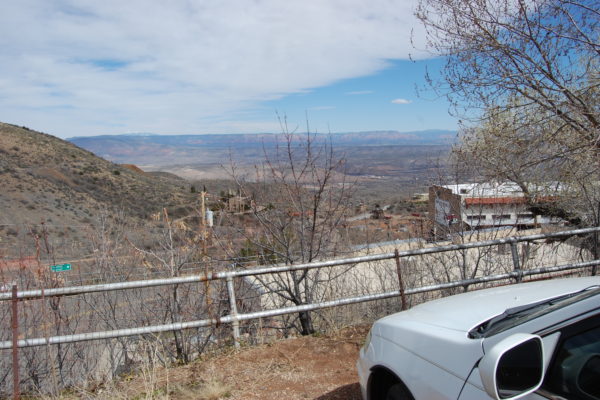
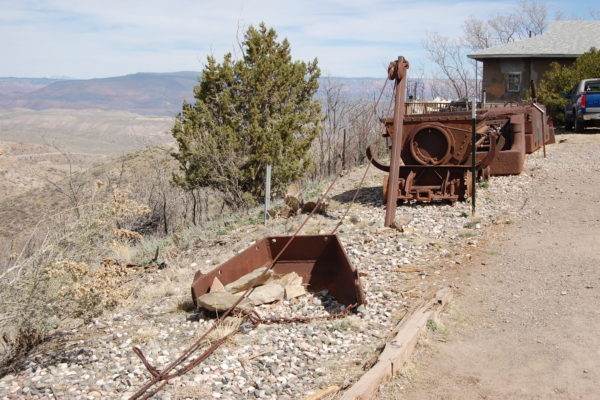 At this location we can see Jerome in the distance. These rusting machines of the past are symbolic of the mining tools that grew Jerome in the past.
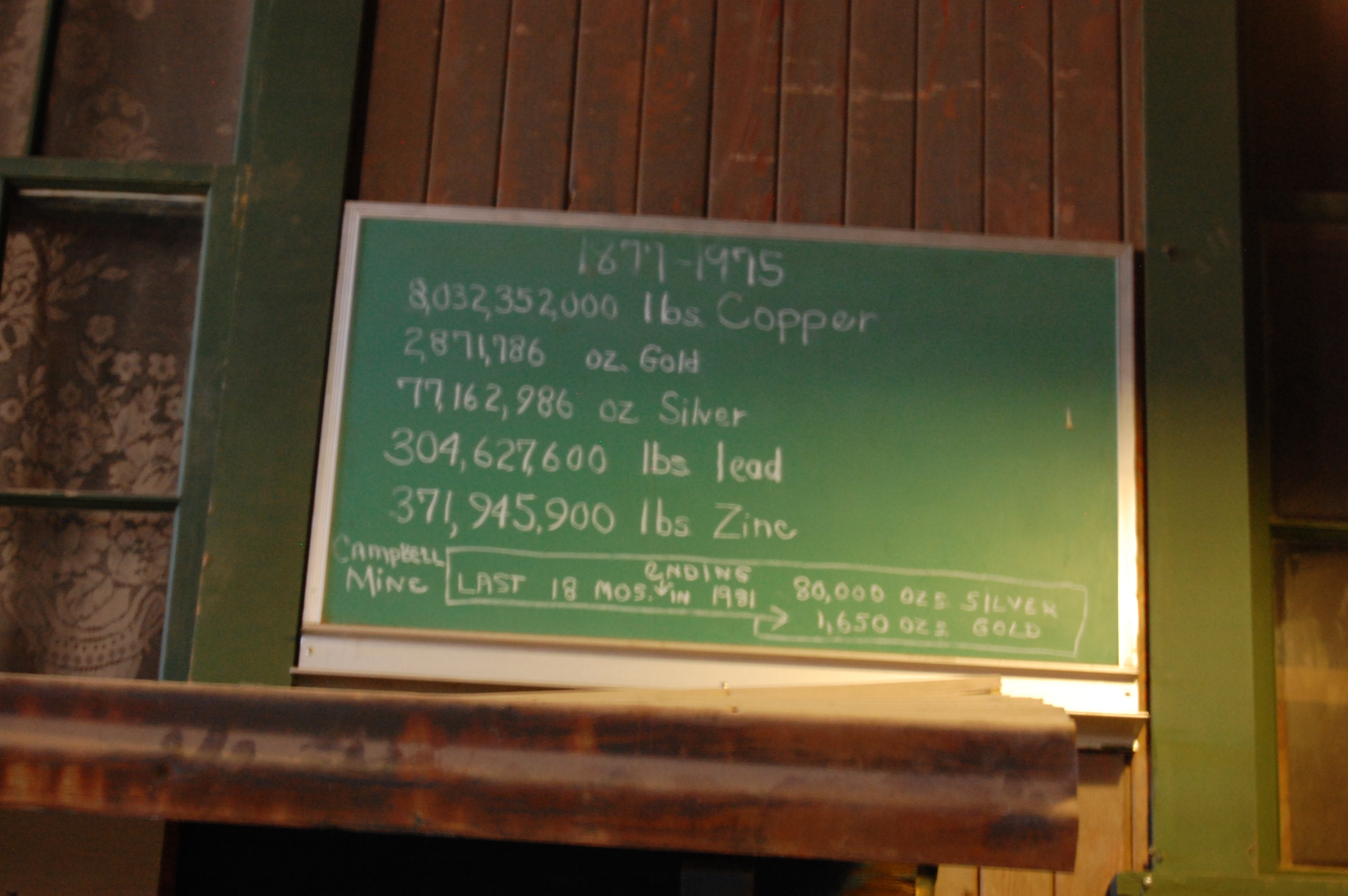
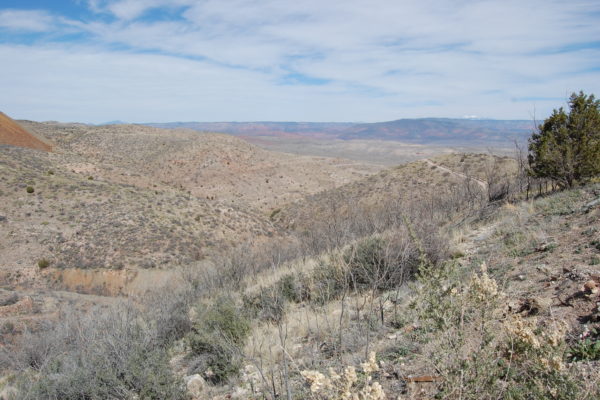 4686-Jerome was built on Cleopatra Hill above a vast deposit of copper. Prehistoric Native Americans were the first miners, seeking colored stones. The Spanish followed, seeking gold but finding copper. Anglos staked the first claims in the area in 1876, and United Verde mining operations began in 1883, followed by the Little Daisy claim.
 Jerome grew rapidly from tent city to prosperous company town as it followed the swing of the mine’s fortunes. The mines, the workers, and those who sought its wealth, formed Jerome’s colorful history.Americans, Mexicans, Croatians, Irish, Spaniards, Italians, and Chinese made the mining camp a cosmopolitan mix that added to its rich life and excitement.
 Jerome was the talk of the Territory, a boom town of its time, the darling of promoters and investors. The mines were nourished and exploited by financiers who brought billions of dollars in copper, gold, and silver from its depths. Changing times in the Territory saw pack burros, mule drawn freight wagons, and horses replaced by steam engines, autos, and trucks.
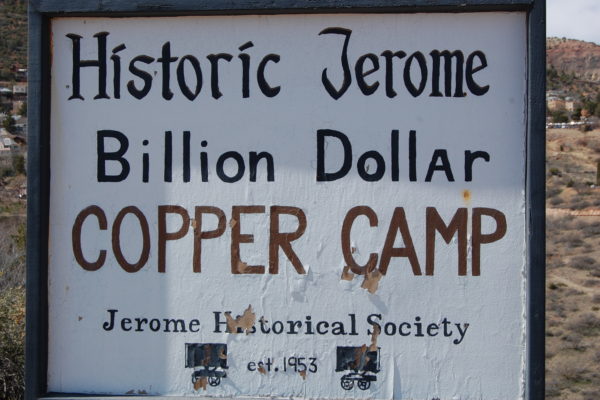
 After the mines closed in 1953 and “King Copper” left town, the population went from a peak of 15,000 in the 1920s to a low of 50 people. The Jerome Historical Society guarded the buildings against vandalism and the elements, the Douglas Mansion became a State Park in 1965, and Jerome became a National Historic Landmark in 1976. During the 60’s and 70’s, during the time of the counter culture, Jerome offered a haven for artists.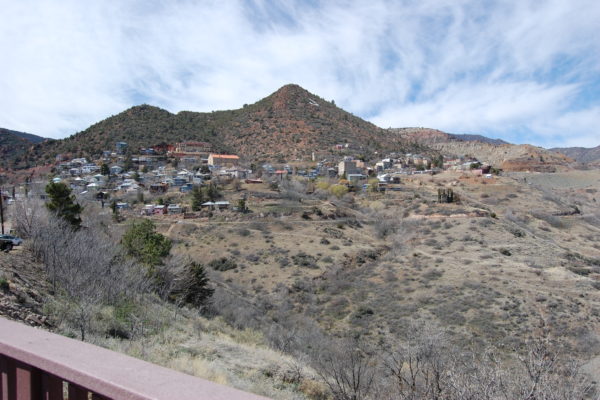
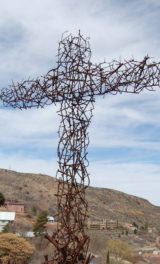
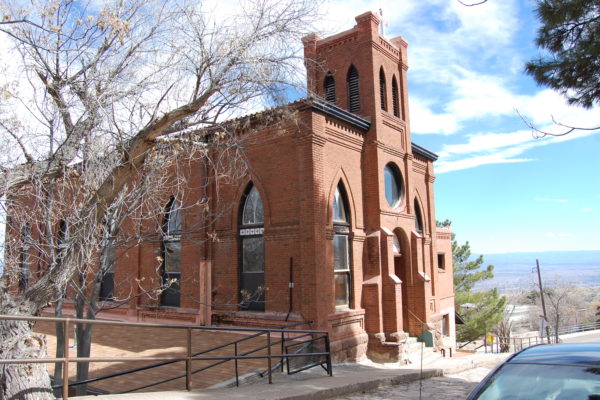
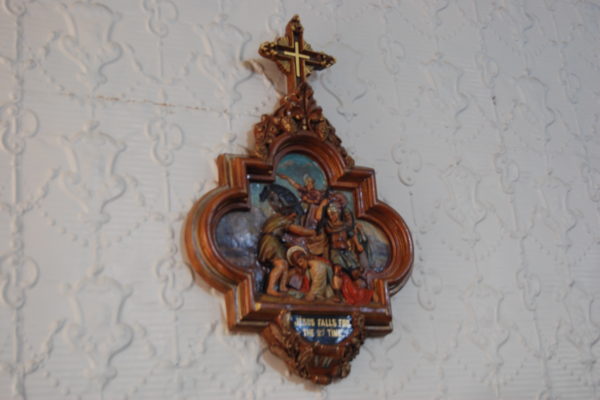
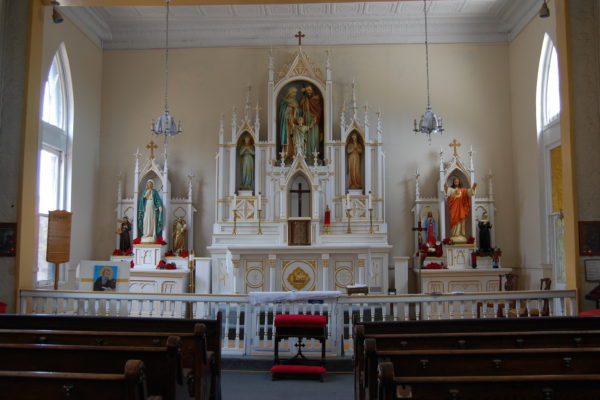
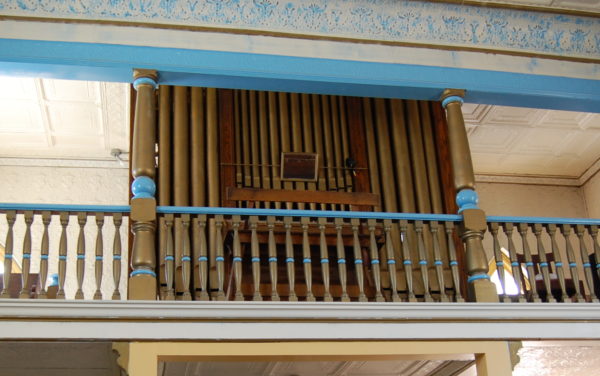

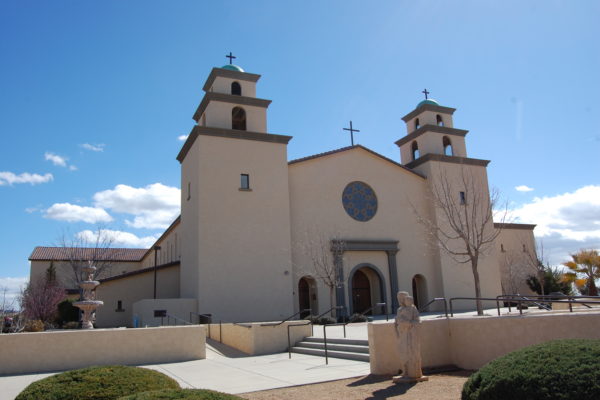
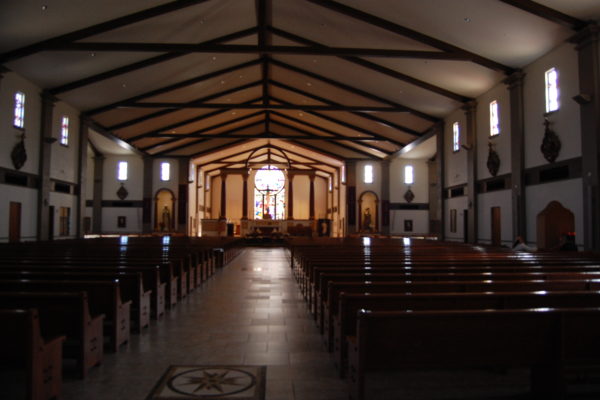
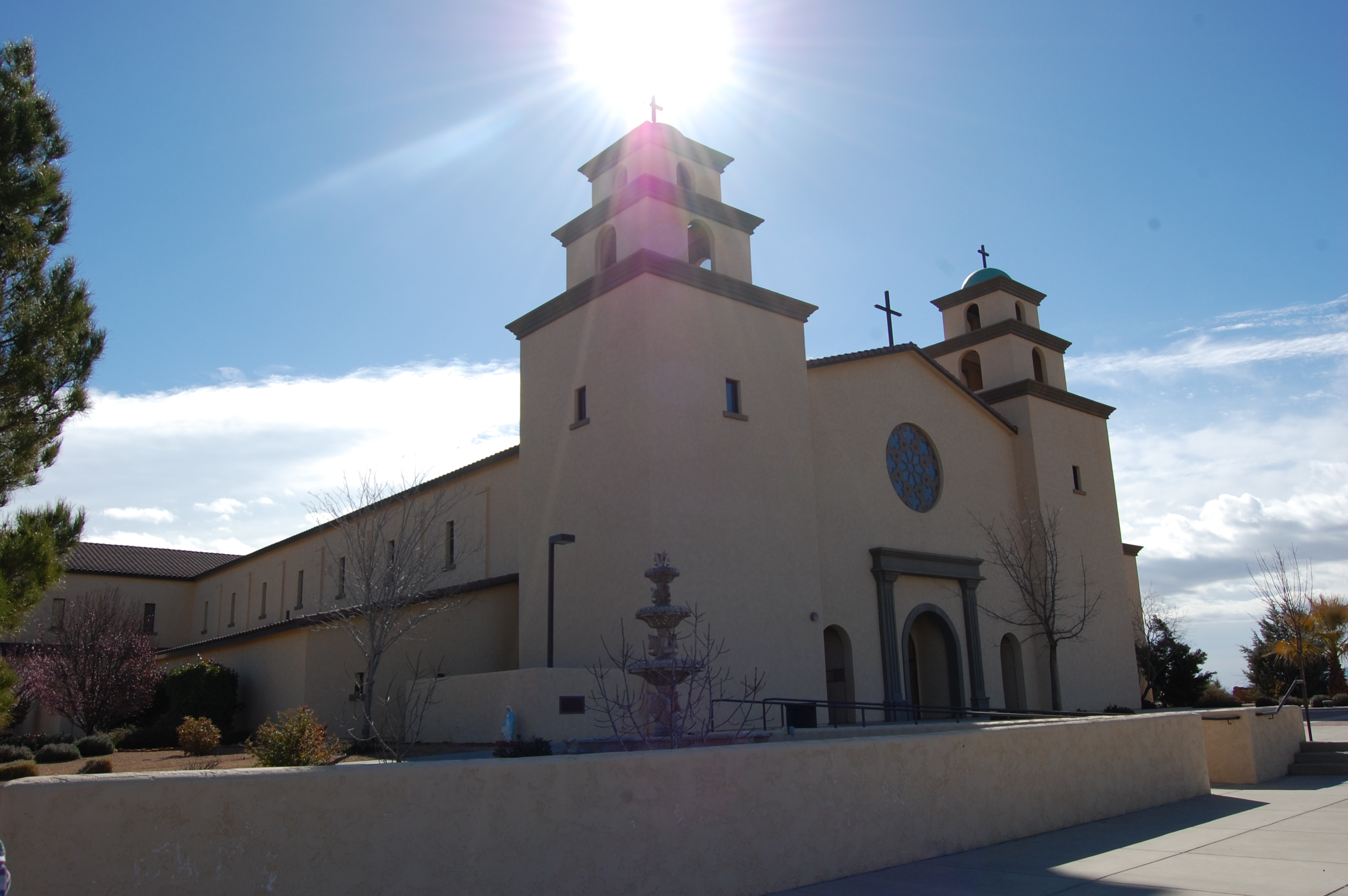
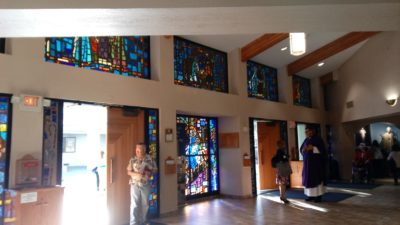
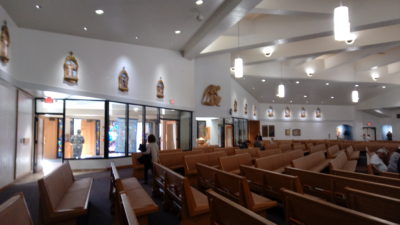
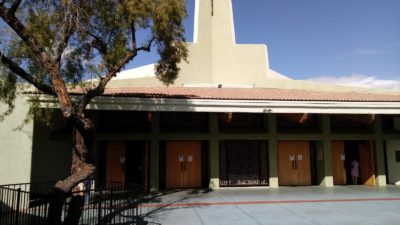
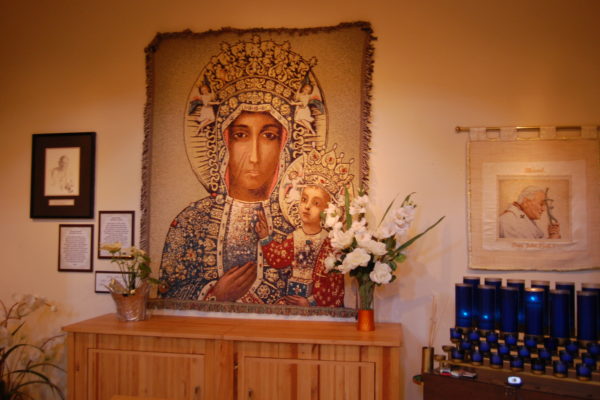
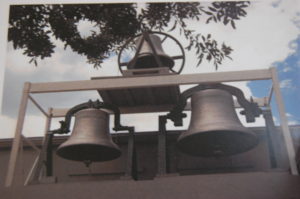 The Bell Tower has three bells. They are dedicated to Archangels Gabriel, Rafael and Michael.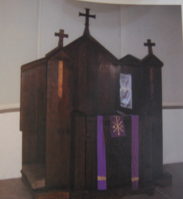
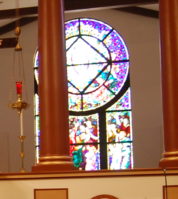
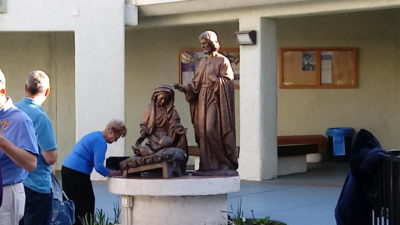
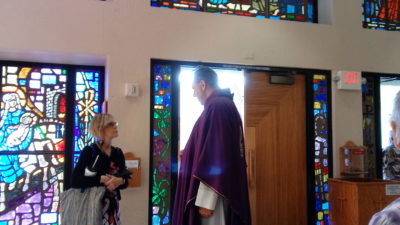
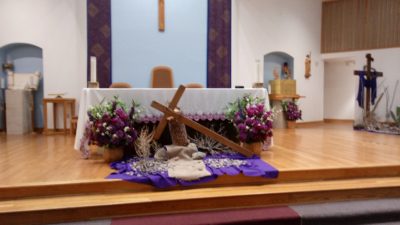
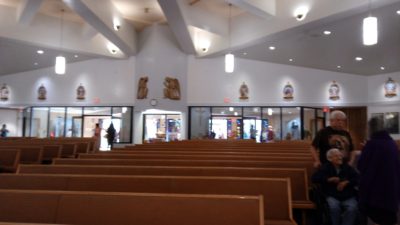
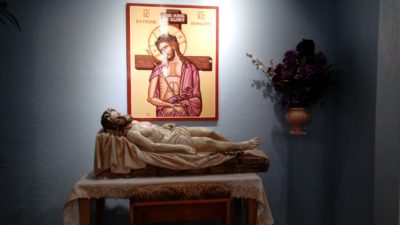
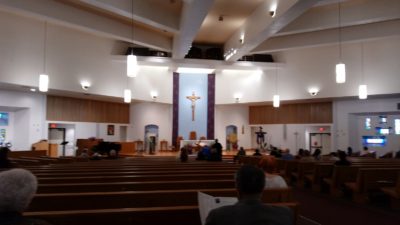
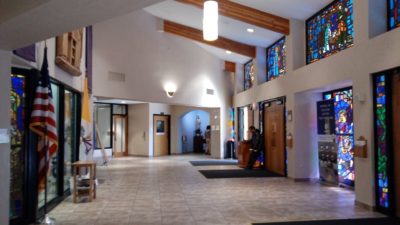
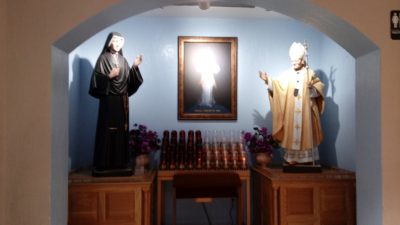
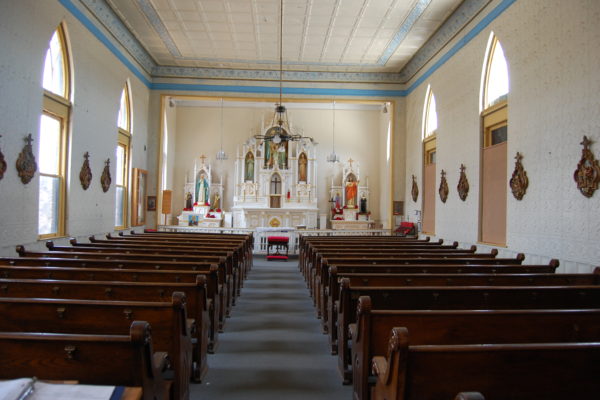
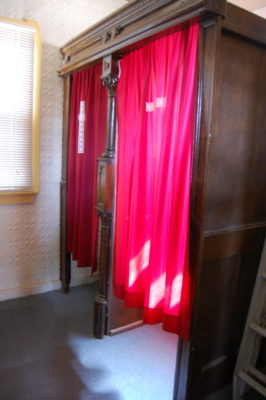
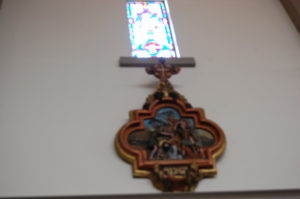 The stations of the Cross around the church were made for the Immaculate Conception Church in Prescott Valley. Each is five feet tall. Father David Kelash is the Pastor and is adamant on keeping this parish moving forward. Soon the town expects the building of over 5000 new homes. The Immaculate Conception Church offers both English and Spanish Masses with a splash of Latin just to remind all the Church’s roots. Confession is offered on Thursday, Friday and Saturdays.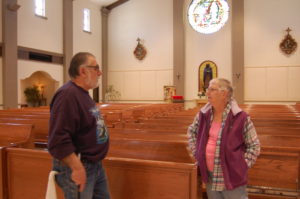
 .
.
 .
.